Showing posts with label Middle East. Show all posts

Monday, August 31, 2026

Pragmatic AI sovereignty: Architecting AI value chains for control and continuity in the Gulf countries

Learned a lot lending an editorial hand here:

PwC Strategy&, August 31, 2026

by Chady Smayra, Ramzi Khoury, and Sreedhar Nair


Often, the quest to achieve leadership in the global competition that has arisen around artificial intelligence (AI) is reduced to seeking access to chips. But chips are only one component of the AI value chain. To attain a leadership position in AI, countries in the Gulf Cooperation Council (GCC) and beyond must adopt a more nuanced approach that encompasses the entire AI value chain, including chips, compute infrastructure, cloud platforms, models, data and other elements.

We call this pragmatic AI sovereignty. It seeks to balance the need for control over the AI value chain with the need for continuous access to its components. In doing so, pragmatic AI sovereignty mitigates the risks of both external dependence and internal fragility.

There is no single way to achieve pragmatic AI sovereignty. Government leaders and other stakeholders must consider each aspect of the value chain in terms of its concentration, capital intensity, strategic sensitivity and value creation potential.

Then, leaders can determine which posture or combination of postures can be used to secure access to the layers of value. There are four postures they can use: assure, which secures a layer via agreements, allocation, diversification or contractual safeguards; control, which secures a layer by owning, operating or governing it; partner, which secures a layer via partnership with a global player while maintaining local governance, localization, resilience and exit rights; and influence, which secures a layer using capital, regulation, procurement or market access to shape its standards, capital flows, supplier priorities or policy dialogues.

The GCC countries are well positioned to not only secure their own pragmatic AI sovereignty, but also shape how AI ecosystems evolve across adjacent markets. To succeed and lead in the AI era, they will secure access where it matters, assert control where it is critical and build leadership where value can be captured. Read the full viewpoint here.

Monday, March 30, 2026

Making the Gulf countries’ big bets on building logistics hubs pay off

Learned a lot lending an editorial hand here:

Logistics Middle East, March 2026

by Maha RaadHamza El Mounhi, and Massimo Campadese


Despite recent geopolitical turbulence and slowing economic growth, global trade is not retreating: it reached a record $33 trillion in 2024. However, global trade dynamics are fundamentally changing with trade routes emerging and shifting due to geopolitical tensions, intensified competition between trade blocs, and deeper regional supply chains, especially in the energy, automotive, advanced manufacturing, and technology sectors. These developments represent enormous opportunities for the GCC countries, where logistics play a crucial role in the achievement of economic transformations and national visions.

Sitting at the crossroads of Asia, Europe, and Africa, the GCC countries have a geographically commanding position in global trade. They already handle around 18% of global trade flows ($4.3 trillion in 2023). Dubai has established itself as a world-class logistics hub, and now, the other GCC countries are investing billions in their seaports, airports, and integrated supply chain capabilities. The success of their efforts to become hubs for global and regional trade and supply chains will depend not just on assets, but on strategy. Read the rest here.

Wednesday, March 4, 2026

Building with purpose: Five imperatives for shaping the cities of the future in the GCC

Learned a lot lending an editorial hand here:

PwC Strategy&, March 2026

by Marwan Bejjani, Elias Karam, Jean Aboueid, and Saad Iskandarani


Saudi Arabia’s giga developments, the repurposing of Qatar’s World Cup infrastructure, and other ambitious projects show that the Gulf Cooperation Council (GCC) countries have embarked on unprecedented visions of urban development. They are investing US$1 trillion to bring these visions to fruition. The returns they reap, however, will be determined not just by the magnitude of investment or dramatic new skylines, but by the long-term resilience and prosperity of the region’s cities. To meet the urban challenge, the GCC’s construction sector and government decision-makers need to consider five interrelated tensions. Each tension puts a different kind of pressure on cities. Read the rest here.

Thursday, February 12, 2026

Meeting the compute imperative in the Gulf countries

Learned a lot lending an editorial hand here:

PwC Strategy&, January 2026

By Hani Zein, Fawaz Bou Alwan, Ali Ghaddar, and Mahsa Ettefagh


The Gulf’s AI journey is entering a transformative phase. AI is shifting from experimentation to scale, agentic systems are proliferating, and Gulf nations are building AI ecosystems featuring homegrown champions and local models, such as KSA’s Allam, UAE’s Falcon, and Qatar’s Fanar. This phase of AI development requires a critical enabler: sovereign compute processing power at scale. Now, Gulf nations must assess their future compute needs and act decisively to secure compute capacity.

AI is poised to become part of daily life in the Gulf. In healthcare for example, AI agents will review patient test results, suggest diagnoses, generate treatment plans, and manage patient journeys based on individual needs – updating records, scheduling follow-ups, and coordinating medication orders.

AI models are the heart of this transformation – and sustaining them requires vast processing power. The greatest demand for compute power will come from running models for real-time, low-latency inference. Compute will also be needed to build and train local models, and to fine-tune global models for regional and sector-specific applications.

To forecast how much compute power Gulf nations will require in the near term, we analyzed the volume of data that AI models will process — measured in model tokens, or small fragments of text, images, or other inputs – across training, fine-tuning and inference. We then translated this demand into the processing required (FLOPS, or floating-point operations per second) and the hardware needed to deliver it through GPUs. Our analysis reveals that the region will need 400,000 – 500,000 GPUs by 2028. Read the rest here.

Friday, June 27, 2025

Telecom Operators need a talent strategy to develop solution visionaries

Learned a lot lending an editorial hand here:


TahawulTech.com, June 27, 2025

by Ramzi Khoury, Amar Akli, and Omar Nowaihed


GCC telecom operators can achieve significant growth in the business-to-business market. That business-to-business opportunity is appealing given the broader challenges facing telecom operators, such as the ongoing commoditization of their core services, intense competition, and rigid business models. To achieve this growth, telecom operators should collaborate with their business customers to deploy advanced digital solutions tailored to their industries and sectors.

That means becoming trusted advisors, problem-solvers, and essential partners in their business customers’ digital journeys. Telecom operators thereby can diversify revenues, protect earnings from connectivity, and become leaders in the region’s information and communication technology industry.

The market for advanced digital solutions, which combine technologies to transform businesses and deliver exceptional value, is substantial and growing fast. Mordor Intelligence estimates that this market will rise by 24.3% CAGR in the Middle East from 2025 to 2030, reaching $149 billion. Combined with the demand created by artificial intelligence (AI) and the GCC governments’ ambitious digital agendas, that presents an inviting opportunity for regional telecom operators.

Better yet, GCC telecom operators are uniquely positioned to succeed. They have nationwide infrastructures, serve a broad base of mobile and fixed subscribers, possess unrivalled market knowledge, and have demonstrated a long-term commitment to localization and GCC countries’ sovereignty priorities.

To put these advantages to work, telecom operators should become solution visionaries. Read the rest here.


Friday, June 20, 2025

The future of public-sector digital services: Achieving intelligent, cost-neutral service delivery

Learned a lot lending an editorial hand here:

PwC Strategy&/Tawakkalna, June 2025

by Hani Zein, Karl Njeim, and Saleh Mosaibah


A key problem facing government service digitization today is the fragmentation produced by multiple, siloed applications that feature separate log-ins, inconsistent user interfaces, and redundant data submissions. This lack of integration results in operational inefficiencies, service delivery delays, and a disjointed experience that diminishes public trust in digital services at a time of rising expectations for seamless, intuitive, and personalized digital interactions—such as those offered by leading private-sector platforms.

For these reasons, efforts are being made to transform the delivery of government services into a single-access, seamless, and virtual constituent experience via one-stop digital channels in the Gulf Cooperation Council (GCC) countries. One-stop digital channels offer a host of benefits, including enhanced customer engagement and experience, automated service delivery, proactive services, enhanced decision-making, and more efficient fraud detection and prevention.

However, they also demand significant investment in IT infrastructure, interoperability frameworks, cybersecurity, user experience design, and such emerging technologies as artificial intelligence (AI) and blockchain. Additionally, the creation of one-stop digital channels requires governments to digitize and modernize legacy systems, as well as automate existing processes. Thus, the challenge now facing GCC governments is to accelerate initiative time lines and continue to raise the level of digital service delivery in a cost-neutral manner. To meet this challenge, GCC governments should:

• Seek the consolidation of public services and establish a foundation for one-stop digital channels
• Centralize digital services in a manner that improves the citizen experience and benefits all participating government entities
• Adopt an open platform for service development that enables third parties to list existing services and co-create new services
• Exploit AI to improve service delivery across the service value chain and optimize software service development
• Use a cost-neutral approach to underwrite investments in one-stop digital channels through new revenue generation opportunities and public–private partnerships (PPPs) that bring market-driven approaches to service delivery and resource management

Read the rest here.


Monday, June 16, 2025

How to unlock your residential sales strategy to win in tomorrow’s market

Learned a lot lending an editorial hand here:

PwC Strategy&, June 2025

by Karim Abdallah, Joe Rached, Zahi Awad, and Maria Geagea


The surge in integrated mega projects in the Gulf Cooperation Council (GCC) countries is heating up competition among residential real estate developers. Value propositions offering homebuyers distinctive designs and long lists of amenities have become commonplace. Developers need to find new ways to differentiate themselves from competitors, attract buyers, and optimize financial results. In this environment, a winning sales strategy is crucial for both survival and success.

The strong market for high-end residential real estate in the GCC countries is driven in large part by domestic demand for “branded” properties (built in alliance with a famous brand) and rising expatriate homeownership. During 2024, for example, the Saudi residential real estate market recorded a 38 percent increase in transaction volume and a 35 percent rise in transaction value.

The inventory needed to meet this demand is coming soon. Our review of new project announcements in locales such as Diriyah and the Red Sea, and by such developers as Dar Al Arkan and Roshn, shows that a substantial increase in residential units is in the works.

The challenge now facing developers is that many of them are targeting the same pool of middle- to high-income homebuyers. As more and more homes come onto the market, the features and amenities they offer will become increasingly commoditized—providing less opportunity for differentiation. Consequently, competition among developers will intensify.

Developers that want to win in this increasingly competitive residential real estate marketplace need to formulate and execute a sales strategy that strikes the optimal balance of pricing, financing, marketing, and differentiation to drive demand, move buyers through the sales funnel, and deliver sustained growth in an evolving market. This strategy should make full use of innovative tools and approaches, such as digital tokenization, which enhances the liquidity of real estate investments and brings more buyers to market.

A sales strategy for residential real estate developers needs to define the developer’s sales objectives and targets, the value proposition needed to achieve those objectives, the sales operating model, and the enablers that support the execution of the strategy (read the rest here).

Friday, June 13, 2025

Leadership by design: Lessons in mentorship success from Project1932 in Saudi Arabia

Learned a lot lending an editorial hand here:

PwC Strategy&/Project1932, June 2025

by Fadi Adra, Dr. Shihab Elborai, Chadi N. Moujaes, and Jana Yamani


As the large-scale transformation initiatives in the Gulf Cooperation Council (GCC) countries come to fruition, they require newly skilled and expanded workforces and many new leaders. We estimate that economic diversification, advanced technologies, and the shift to knowledge-based work will create the need for an additional 700,000 top and middle managers in the region by 2030, which is 30 percent more than were required in 2024.

GCC governments have prioritized human capital development, principally through education reforms and workforce localization. These efforts have increased workforce participation of GCC nationals and women significantly. However, they are insufficient to equip young professionals with all the practical capabilities and soft skills necessary to meet the coming workforce requirements.

Mentorship programs, which draw upon the Arab world’s historical legacy of apprenticeship, can bridge that gap. When systematically structured and executed, mentoring fosters the functional and industry knowledge of emerging leaders, hones their acumen and soft skills, and prepares them for the technological advances shaping the future of work.

Findings drawn from Project1932, a Saudi-based initiative cultivating emerging leaders by connecting them with experienced mentors, indicate that the design of successful mentorship programs entails five elements and three enablers. The elements are shared purpose, synergistic matchmaking, a structured and relevant curriculum, mentoring for mentors, and community power. Successful programs are enabled by strong leadership, robust monitoring and evaluation systems, and coherent financial sustainability strategy.

Further, surveys and interviews of Project1932 participants have revealed five insights for fostering mentoring success. Successful programs challenge mentees to leave their comfort zones, train mentors in active listening so they can provide tailored guidance, build strong mentor–mentee relationships, encourage calculated risk taking, and empower mentees to question the status quo.

Project1932 demonstrates that systematic mentorship programs conducted at scale can bridge the GCC’s gap between leadership demand and supply. Read the rest here.

Friday, May 30, 2025

Capturing the AI advantage through culture change

Learned a lot lending an editorial hand here:

Oil Review Middle East, May 30, 2025

by James Thomas, Shantanu Gautam, and Pavel Evteev


The GCC’s national oil companies (NOCs) must put AI to work if they are to keep delivering the world’s lowest cost and lowest carbon footprint barrels. To achieve this, NOCs need organisational cultures that can quickly produce many small, high-impact artificial intelligence (AI) applications.

AI-powered solutions are the next major cost and efficiency frontier in the oil and gas industry. Leading oil majors are already using them to produce oil faster, at lower cost and resource intensity. For example, AI can accelerate subsurface analysis, reduce uncertainty, and optimise capital allocation. Shell partnered with startup Avathon (formerly SparkCognition) and is using AI-powered deep learning to reduce seismic shots by 99%, maintaining image accuracy while cutting exploration time from nine months to just nine days.

Beyond exploration, AI is transforming well planning, automating drilling, predicting conditions, and streamlining workflows. ExxonMobil, collaborating with IBM, used AI to reduce well planning and design time from nine to seven months, and cut data preparation time by 40%.

Drilling optimisation is another area seeing major gains. AI can now analyse real-time downhole data, optimise rate of penetration, and predict failures. Machine learning can adjust drilling parameters dynamically, reducing non-productive time, cutting costs, and improving well economics. ConocoPhillips used three years of drilling data to develop a machine learning model that improved vertical rate of penetration by 20% and reduced premature drilling-motor failures by 65% – saving US$30,000 per well.

Environmental performance is improving too. AI can track emissions in real time, detect leaks, and increase carbon capture. Chevron deployed AI to optimise methane emissions reduction in upstream operations, helping cut methane emission intensity by 60%.

NOCs across the region are also making tangible progress in applying AI to boost performance. Aramco, for example, deployed 40,000 sensors across 500 wells, enabling AI-driven process control that increased production by 15% and halved troubleshooting time. ADNOC’s Emission X tool helped abate 1 million tonnes of CO2 in one year through AI-powered emissions prediction and optimisation. Read the rest here.

Monday, May 12, 2025

Caring for the Carers: Investing in healthcare workforce wellbeing

Learned a lot lending an editorial hand here:


by Irfan Merali, Dr. Christelle Abou Nader, and Andrew AlHamouch


The health of the GCC’s population depends on the wellbeing of its healthcare workforce. It is a key lever for improving the quality of care provided by the region’s 800,000 healthcare professionals, and for reducing the cost of care. Our analysis indicates that improving healthcare workforce wellbeing in the GCC countries potentially could generate US$ 2.5 billion in annual savings.

Healthcare is a rewarding and demanding profession. Long hours, high intensity work environments, and physically demanding tasks contribute to elevated incidences of chronic fatigue, musculoskeletal injuries, and other health problems. Nearly half of healthcare workers globally suffer from burnout. Almost as many experience musculoskeletal issues each year. We find comparable rates in the GCC’s healthcare systems.

These conditions harm healthcare workers and patients. Mental and physical wellbeing challenges drive up absenteeism, turnover, and job dissatisfaction, all of which increase medical errors, lower patient satisfaction, and diminish compassionate care. Research into the effects of burnout among doctors, for example, shows that it is associated with a fourfold decrease in job satisfaction. Doctors experiencing burnout are 2.2 times more likely to have made a recent medical error. Thus, current conditions foster a vicious cycle with systemic and financial repercussions.

As these conditions worsen, healthcare systems become increasingly stretched, with workforce shortages intensifying these pressures. The wellbeing of the GCC’s healthcare workforce is a large-scale issue with system-wide implications that should be investment priorities. Evidence-based research proves that investing in healthcare worker wellbeing yields tangible benefits, including a 17% reduction in absenteeism, an 11% decrease in turnover, and productivity gains of up to 25%. Read the rest here.

Wednesday, February 5, 2025

Film and beyond: Leapfrogging into the global screen industry

Learned a lot lending an editorial hand here:

BroadcastPro Middle East, February 5, 2025

by Tarek Matar, Karim Sarkis and Maansi Sagar


Ongoing transformation in the global screen industry has created an opportunity for GCC countries to establish themselves as prominent players. As the industry grapples with the future of content creation and the demands of a global audience, the combination of an appetite for investment in state-of-the-art technologies and media hubs, a focus on attracting investors and producers, a young and digitally-savvy workforce, and a culture rich with stories and landscapes could enable the GCC region to become a centre of cinematic innovation. Success in this endeavour will require a collaborative effort between governments and the private sector to bridge the silos of geography, technology and media industry verticals.

The screen industry, which has expanded beyond movies and movie theatres, is facing the uncertainties that accompany the impact of new technologies on its production value chain, particularly GenAI (simply defined here as artificial intelligence that can generate video content from text, image and video prompts). Video tools like Runway and Meta’s Movie Gen, along with virtual production and other advancements, are raising questions: Will content be generated versus filmed? Will soundstages and physical locations still be needed? What talent and skills will be essential? How will budgets and timelines be affected?

Creatives are soul-searching. Infrastructure investors are hesitating. Media conglomerates are experimenting. Big Tech is pouring billions into new tools. Yet the value is there to be captured. Strategy& forecasts that global video revenues – cinema, OTT services and TV – will increase by approximately $165bn to $564bn by 2028.

Simultaneously, audience and economic dynamics are changing, driven by shifting viewer preferences and industry budgetary pressures. Audiences are fuelling demand for locally-produced content as they search beyond the once-dominant Hollywood-centric model in search of relatable storytelling, cultural representation and authentic experiences. Film producers must do more with less as distribution and streaming platforms focus on profitability and tighten their budgets, thus making cheaper international content more appealing.

This uncertainty and the changing dynamics create an opportunity for the GCC’s forward-leaning economies to position themselves as a global film production hub with five actions. Read the rest here.

Friday, January 31, 2025

Redefining the social contract: Policy options for economic inclusion and fiscal sustainability

Learned a lot lending an editorial hand here:

PwC Strategy& Middle East, January 2025

by Chadi N. Moujaes, Sami Zaki, Mitcha Sleiman and Dr. Steffen Hertog


Following the 1970s oil boom, the Gulf Cooperation Council (GCC)1 countries developed a generous welfare model offering a wide range of benefits to nationals, including public-sector employment, energy subsidies, a variety of non-means-tested categorical benefits, and free public services such as education and healthcare. Governments now understand that this implicit social contract needs reform, given fiscal constraints and demographic pressures. 

Although GCC governments are responding to this challenge, thus far reforms have been piecemeal. Creating a new social contract requires simultaneous fiscal reform, welfare modernization, and labor policy changes. Moreover, governments need to design and implement the contract components specifically for each country’s needs. 

There are five policy tools that GCC governments can consider as they redesign their social contracts, described below: 

• Permanent income supplements for lower earners can make private-sector employment more attractive to nationals. Such income support ensures that the shift away from public-sector employment does not result in “working poor.” 
• Active labor market policies, including lifelong learning, job services, and training, can support nationals’ integration into the private sector. 
• Universal basic income (UBI) can provide all nationals with income security, while maintaining incentives for private-sector entrepreneurship and work. 
• Means-tested social benefits can support those that need it most, while reducing welfare dependency and fraud. 
• Integration of foreign residents through dedicated welfare tools, such as a modest minimum wage, can attract and ensure a ready workforce of foreigners, while reducing the differential in labor rights and costs that discourages employers from hiring nationals.

A new social contract in GCC countries can provide opportunities to all nationals, guarantee basic welfare for all, incentivize and improve the rewards for private economic activity, ensure fiscal sustainability, and minimize economic distortions. Read the full report here.

Wednesday, August 14, 2024

Shopping for growth: How to build an urban retail destination

Learned a lot lending an editorial hand here:

PWC Strategy&, August 2024

by Makram Debbas, Ramy Sfeir, Sukalp Tipre, and Matteo Amici


As Gulf Cooperation Council (GCC) member states pursue urban transformation and mega projects, they should seize the unrealized opportunity for growth in the retail sectors of their major cities. The region’s annual retail sales are expected to grow to US$300 billion by 2028, a 37 percent increase from 2022. With the right steps, these retail sectors can become global shopping destinations. That would allow retail to make a significant contribution to urban GDP and employment, while improving quality of life for residents and enhancing the offering to tourists.

The prospect of strong domestic retail growth, however, does not guarantee that GCC cities will become global shopping destinations. Indeed, the opposite could occur. Given the ease of foreign travel, rising GCC domestic demand could result in GCC shoppers seeking unique retail experiences outside the region. To prevent that, and to seize the growth opportunity, GCC cities should overcome two categories of challenges: supply issues, such as limited brand and assortment offerings, insufficient talent, and a lack of holistic shopping experiences; and enabling factor issues, such as fragile supply chains, underdeveloped customer and operational technologies, and cumbersome investment regulations.

Cities should create a governance entity that can articulate a compelling and differentiated retail vision and then build the required capabilities through six initiatives... read the rest here.

Sunday, July 28, 2024

Open banking is a rich opportunity for GCC incumbent banks

Learned a lot lending an editorial hand here:

Finance Middle East, July 28, 2024

by Dr. Antoine Khadige, Nader Haddad, and Marwan Nadda


Banking in the GCC region is undergoing a significant transformation with the growing impact of regulatory-led open banking initiatives. The Central Bank of Bahrain is preparing to enter the second phase of its open banking plan. Saudi Arabia has announced the gradual implementation of open banking use cases. Kuwait is testing open banking products, and the Central Bank of the UAE has initiated an open finance initiative covering banks and insurers.

With open banking regulatory directives, which require the sharing of customer data (with the customer’s consent) with trusted third parties, incumbent banks are entering a new era of competition. New banking entrants such as fintechs and payment providers can access incumbents’ now-exclusive customer relationships and entice customers away with new products and services.

If they articulate the right vision, however, incumbent banks can meet this challenge head-on, adopt the regulatory dictates of open banking and go beyond them. Banks that embrace open banking—which will grow at a global annual rate of 25% to 27%, according to MarkNtel Advisors and Grand View Research—can retain their market share and transform themselves, create new revenue streams, and forge deeper customer relationships. In Saudi Arabia, for example, we project an open banking penetration rate of 20% with retail customers by 2030.

Incumbent banks can take three actions to take advantage of open banking and position themselves in its vanguard. Read the rest here.

Thursday, May 16, 2024

Time to increase Qatar’s financial literacy

Learned a lot lending an editorial hand here:  

Qatar Tribune, May, 16, 2024


As lifestyle aspirations, easy access to digital credit and loans, and the need to finance education and real estate drive up consumer debt levels in Qatar, the case for bolstering financial literacy is becoming urgent. This growing weight of consumer debt, coupled with the ongoing paradigm shift in the social contract, underscores the importance of financial literacy as a tool for managing debt and ensuring financial stability. Research from the Global Financial Literacy Excellence Center finds that countries with higher levels of financial literacy have lower levels of household debt, higher savings rates, and greater resilience during financial downturns than those with lower levels of financial literacy.

Qatari institutions increasingly recognize financial literacy as a critical factor for economic empowerment and financial stability, and have begun to act. Witness, among other efforts, the financial literacy programs launched by the Qatar Central Bank, the Ministry of Education and Higher Education’s decision to add financial literacy as an elective for eleventh and twelfth-grade students, and the Qatar Stock Exchange’s commitment to raising the financial literacy of investors.

While dedicated programs are a good start, meeting increasing financial literacy across the country in a timely manner requires an overarching strategy and a holistic framework that incorporates a multi-dimensional view of life-stages and beneficiary contexts. Read the rest here.

Thursday, February 22, 2024

Building a vibrant news industry in the Middle East and North Africa

Learned a lot lending an editorial hand here:

PwC Strategy&/Google News Initiative, Feb. 21, 2024

by Karim Daoud, Karim Sarkis, Martin Roeske, Carla Khoury, and Mazen Sabbagh


Digitization is fueling growth for news organizations in the Middle East and North Africa (MENA) region, presenting both opportunities and challenges that must be addressed.

The news market in the region is promising. News consumption and demand are on the rise. MENA region consumers are willing to pay for the news they want, particularly trustworthy, in-depth, and specialized reporting. Additionally, there is significant room for revenue growth, especially in digital advertising and consumer revenues (digital circulation).

The growth is fueled by widespread mobile connectivity, high internet penetration, and social media usage in the MENA region, especially young consumers leading digital lifestyles. To attract and grow revenue from these tech-savvy consumers, news organizations need to transform their business models and methods of delivering content. That transformation must include creating new types of content, formats, and interfaces. Collaboration with governments in the MENA region, regulators, global tech platforms, advertisers, and academia is crucial in creating an enabling environment that supports the growth of regional news organizations. This environment can be achieved through talent development programs, targeted financial support, media literacy initiatives for consumers, and an updated regulatory framework.

Together these transformational efforts can lead to a better news consumption experience, high-performing news organizations, and an overall vibrant news ecosystem in the MENA region. Download the PDF here.

Tuesday, July 18, 2023

GCC governments focus on service fee reform


Learned a lot lending an editorial hand here:

Trends: The International Media on Arab Affairs, July 18, 2023

by Paolo Pigorini and
Talal Salman


WAM File

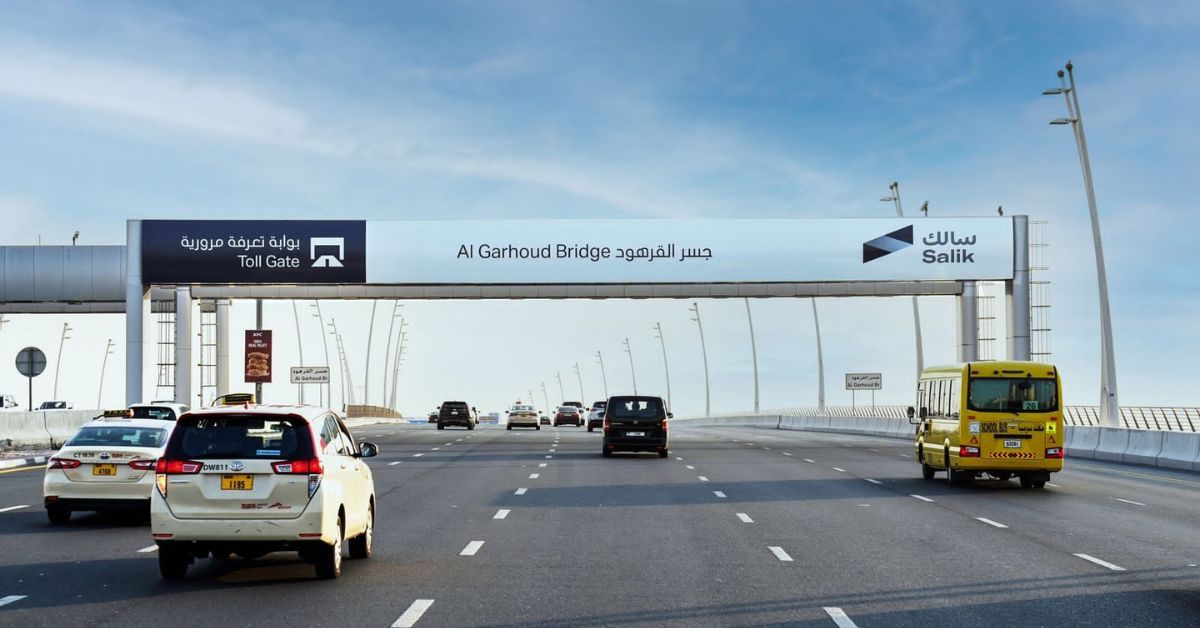
DUBAI, UAE — As GCC governments have sought to fund a plethora of services over decades, fees for hotel stays, roads, medical licenses, and other things have proliferated into a tangle that does not serve governments, businesses, or residents well. In many cases, fees have unintentionally become a long-term tax on GCC businesses and residents. Sometimes, the fees have undermined their intended purpose as a cost recovery tool for the provision of a service. For instance, toll roads have become a hidden tax as the tolls collected exceed the cost of the road’s construction and maintenance.

Moreover, different ministries and agencies impose and set fees — hampering attempts to rationalize them and avoid unintended consequences. For example, imposing and raising fees on family members who accompany migrant workers to the GCC can raise revenues. Yet these fees can cause migrant workers to keep their families in their home countries, thereby depriving GCC economies of wages and consumption that instead leave the region as remittances.

GCC governments have become increasingly aware of the problems associated with service fees as part of fiscal reforms. Leaders noted when the IMF recommended phasing out burdensome and regressive fees, and exploring alternative revenue models more conducive to small- and medium-sized enterprise development. GCC governments have seen how Hong Kong, New Zealand, and Singapore are reviewing their fees constantly and systematically to ensure that they are business-friendly, not unduly burdensome, and connected to policy objectives. At least for the past decade, Singapore has been introducing initiatives to reform its fees in terms of types and levels, with mechanisms to set, review, and update them. The result: lower business costs, enhanced fee transparency, and a reduced administrative burden on the government. (Read the rest here.)

Wednesday, July 20, 2022

Saudi Arabia’s dynamic television and video market

Learned a lot lending an editorial hand here:

PwC Strategy&/MBC Media Solutions, July 2022


by Karim Sarkis, Karim Daoud, Carla Khoury, Nadim Samara, and Jamil Kabbara


Saudi Arabia’s vibrant and rapidly growing entertainment and media (E&M) industry is making an important contribution to the country’s culture and its economic diversification. In particular, the TV market is undergoing transformation and the over-the-top (OTT) video market is dynamic and developing as new technologies emerge. Globally, audiovisual content has become a respected cultural artefact and is experiencing record levels of demand—in which Saudi Arabia can now participate.

The Saudi market’s E&M growth potential stems from its distinct features—high rates of content consumption, including TV, streaming, video sharing, and gaming; impressive adoption of smartphones; robust social media; fast connectivity; and advertising growth opportunities. Indeed, while streaming and mobile penetration are changing how video is consumed, TV retains a majority share of viewership. Digital technology allows viewers to blend linear and streaming, curating their own content.

To grab more of this market, TV and video players should know their viewers intimately so that content producers can predict programming needs, grow viewer numbers, and create content to gain audience share domestically, regionally, and internationally. Media companies should continue with extending their offerings to on-demand streaming, digital transformation, innovation, data analytics, social media engagement, and digitally enabled advertising. To support such customer-centric change, media players should deepen partnerships with telecom operators, technology companies, and content creators, while building their internal capabilities to become more innovative. Read and download report here.

Thursday, May 12, 2022

Unleashing the power of government transformation: The Ministry of the Future


Learned a lot lending an editorial hand here:

PwC Strategy& Ideation Center, May 2022

by Fadi Adra, Yahya Anouti, Raed Kombargi, Paolo Pigorinia, and Dima Sayess


Middle East governments have ambitious plans to transform their countries in the face of economic, social, and technological challenges. This task has been made more urgent and difficult by the COVID-19 pandemic. The difficulty is that many of the ministries and agencies responsible for envisioning and guiding transformation are hampered by their own roles, operating models, capabilities, and governance structures. If these ministries and agencies are to play a leading role in national transformation, they will have to first transform themselves.
The challenges for Middle East governments are substantial. They include changes in the region’s social fabric, mounting economic competition, technological advances, rising barriers to global trade, and budgetary pressures.In this environment, there is an urgent need for purpose-driven ministries and agencies that are fully accountable for delivering high-impact services. Too often, however, government itself becomes an obstacle to the achievement of national transformation. The sheer bulk of the region’s governments, attributable mainly to public-sector employment acting as a social safety net and weak private-sector and economic integration, reduces governmental efficiency, effectiveness, and decision-making ability. The over-involvement of government in operations and service delivery prevents private-sector engagement and expansion, hinders innovation, and creates negative competition. Moreover, few governments to date have fully taken advantage of the power of technology to lower the barriers to decision making, policy formulation, and performance evaluation.

Before they can transform their countries, governments need to become fit-for-transformation in seven ways. They must become:
  • DIGITALLY POWERED: Relying on advanced and emerging technologies to enable solutions and conduct operations
  • ANTICIPATORY AND PROACTIVE: Utilizing horizon scanning, foresight, scenario analysis, and best practices to address emerging and potential challenges and opportunities
  • CUSTOMER-CENTRIC AND HOLISTIC: Adopting a customer-focused, whole-of-life approach to service delivery
  • COLLABORATIVE AND PARTICIPATORY: Taking advantage of the collective resources, capacities, and expertise of the public sector, private sector, and citizens in order to design, deliver, and assess solutions
  • AGILE AND DYNAMIC: Employing lean and flexible organizational structures staffed with fluid, crossfunctional, and accountable teams
  • INNOVATIVE AND RESILIENT: Ideating, prototyping, piloting, and delivering creative and future-proof solutions that make government resilient
  • EVIDENCE-BASED AND RESULTS-ORIENTED: Using targets and indicators to set, monitor, and evaluate clearly defined objectives, impacts, and outcomes 


Friday, April 30, 2021

Reinventing the Gulf region

Learned a lot about the challenges facing GCC governments and how to address them lending an editorial hand here:

Strategy& Middle East Ideation Center, April 2021


The COVID-19 pandemic has accelerated and amplified the economic, social, and environmental challenges facing the Gulf Cooperation Council (GCC) countries. Pre-pandemic, these countries had initiated significant reforms that allowed them to respond in a more resilient, dynamic, and digital manner. Now, the GCC governments have an opportunity to elevate their economic, institutional, and societal goals and accelerate the speed and scale of regional transformation.

These aspirations will require understanding and resolving five growing tensions and their underlying trends. The tensions — economic and social asymmetry, technological disruption, the impact of aging populations, the polarization of the global order, and the changing nature of institutional trust — are wide-ranging and interconnected.

To mitigate the challenges and achieve an aspirational vision for the region’s future, GCC countries would need to adopt a holistic and integrated transformation agenda. This agenda introduces new economic growth models that put local first. It encompasses a human-centric approach to well-being that puts citizens first. Moreover, it seeks to bolster institutional agility and accountability to put innovation first. Download and read the report here.